
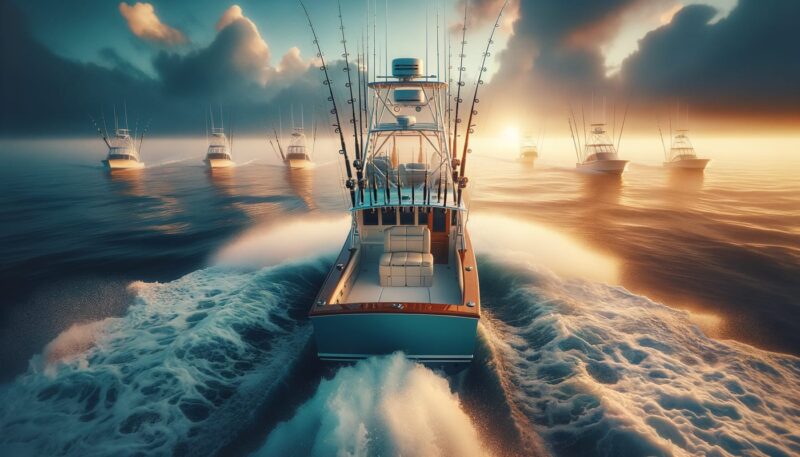
Deep-Sea Tuna Fishing in Venice, Louisiana: A Premier Gulf Coast Experience
Venice, Louisiana, holds a reputation as a top spot for offshore fishing, drawing anglers from all over. This small community sits at the very end of the Mississippi River Delta, where freshwater meets the vast Gulf of Mexico. This unique location creates an unmatched environment for deep-sea tuna fishing, making it a dream destination for many.
The waters here are teeming with pelagic species, particularly various types of tuna. We’ll dive into what makes Venice so special for these powerful fish. This article will cover the geographic and environmental factors that establish Venice, Louisiana, as a significant location for deep-sea tuna fishing, detail the predominant tuna species encountered, and explain the fishing methods typically employed by local captains.
Geographic and Environmental Factors Supporting Venice Tuna Fishing
Venice’s standing as a tuna fishing hotspot isn’t by chance. It’s a direct result of its strategic position along the Gulf Coast. The unique interplay of land and sea creates an ecosystem that supports a rich food chain, attracting apex predators like tuna.

Proximity to Deepwater Gulf of Mexico
Just a short run from Venice, the continental shelf drops off dramatically into the deep waters of the Gulf of Mexico. This deepwater access means tuna and other large pelagic fish are often closer to shore here than in many other locations.
Oceanic currents flow along this shelf edge, bringing nutrient-rich waters and baitfish close to the coast. This natural highway for marine life creates consistent opportunities for anglers targeting offshore tuna Louisiana.
Influence of the Mississippi River Delta
The mighty Mississippi River dumps an immense amount of freshwater and sediment into the Gulf daily. This constant input carries vital nutrients, fertilizing the water and creating a plankton bloom.
This plankton forms the base of a robust food web, supporting vast schools of baitfish like pogies, mullet, and menhaden. These baitfish then become a magnet for larger predatory species, including various tuna species.
Convergence zones, where river water meets saltwater, also form nutrient-rich eddies and currents. These areas concentrate bait and, consequently, hungry tuna.
Role of Offshore Structures and Habitat
The Gulf of Mexico is home to numerous oil rigs and platforms. These structures act as Fish Aggregating Devices (FADs), providing shelter and feeding grounds for smaller fish, which in turn attract larger predators.
Tuna frequently patrol these rigs, making them prime targets for anglers. Beyond the rigs, subsea canyons and seamounts also create favorable conditions, disrupting current flows and bringing nutrient-rich deep water closer to the surface.
Gulf of Mexico Water Dynamics
The Loop Current is a powerful warm ocean current that flows into the Gulf of Mexico. This current and its associated eddies play a crucial role in the movement of baitfish and tuna.
These dynamic water systems influence water temperature and salinity profiles, which are vital for tuna habitats. Experienced captains monitor these conditions closely to find the best fishing grounds.
Predominant Tuna Species in Venice Waters
When you head out for Louisiana deep sea fishing from Venice, you’ll primarily be targeting a couple of hard-fighting tuna species. Each offers a distinct challenge and reward for anglers.
Yellowfin Tuna (Thunnus albacares)
Yellowfin tuna are the primary target species for Venice Louisiana tuna fishing. These powerful fish are known for their speed, strength, and delicious meat, making them highly sought after.
They can grow to impressive sizes, often exceeding 100 pounds, with some breaking the 200-pound mark. Yellowfin tuna are highly migratory but have a strong presence in the Gulf of Mexico year-round.
While they can be caught any time of year, peak fishing periods for Yellowfin tuna Venice LA are often in the cooler months, from late fall through spring. Fishing Yellowfin Tuna Tips can help anglers understand their feeding habits and how to target them effectively.
Blackfin Tuna (Thunnus atlanticus)
Blackfin tuna are another common offshore species encountered in Venice waters. While smaller than yellowfin, typically ranging from 15 to 40 pounds, they are incredibly strong for their size and provide excellent sport.
These tuna often school in large numbers, making for fast-paced action once a school is located. They are available year-round and can be caught using similar methods to yellowfin, though with lighter tackle often preferred for the pure fight.
Other Pelagic Species
Anglers may occasionally encounter Bluefin tuna (Thunnus thynnus) in Gulf of Mexico tuna waters. Bluefin are subject to strict regulations and are often caught as bycatch, requiring immediate release.
Alongside tuna, the deep waters around Venice also hold other exciting pelagic species. These include Mahi-Mahi (dorado), Wahoo, and various Marlin species, adding to the thrill of a deep-sea trip.
Effective Tuna Fishing Methods in Venice, Louisiana
Local captains have honed specific techniques to consistently land deep-sea tuna in Venice. Understanding these methods is key to a successful trip, no matter the conditions.
Trolling Techniques
Trolling is a popular and effective method for covering ground and locating tuna. Captains deploy a spread of artificial lures, often brightly colored, or natural baits like ballyhoo behind the boat at varying depths and speeds.
Different speeds and lure presentations are used depending on the tuna species and their feeding behavior. Spreader bars and dredges are often employed to create the illusion of a school of baitfish, attracting tuna from a distance.
Live Bait Fishing
Few things are more enticing to a hungry tuna than a live baitfish. Sourcing and keeping bait like pogies, mullet, or hardtails alive is crucial for this method.
Live bait can be fished in several ways, including kite fishing, where the bait dangles enticingly on the surface. Slow trolling with live bait is another effective strategy, presenting a natural meal to cruising tuna.
Chunking and Drifting
Chunking involves cutting baitfish into small pieces and regularly tossing them into the water. This creates a scent trail and an illusion of an injured bait school, drawing tuna closer to the boat.
Once tuna are attracted, anglers drift with baits presented at various depths, from the surface to hundreds of feet down. This method is particularly effective for active schools of offshore tuna Louisiana.
Rods, Reels, and Tackle Selection
Targeting deep-sea tuna requires heavy-duty offshore gear. Stout rods paired with powerful conventional reels are essential to withstand the brutal runs of these fish.
Line classes typically range from 60 to 130 pounds, often with a fluorocarbon or monofilament leader for stealth and abrasion resistance. Hook selection is crucial for tuna fishing guides Venice Louisiana, matching the bait size and ensuring a strong, reliable connection.
Planning Your Offshore Tuna Fishing Trip in Venice
A successful tuna trip from Venice requires preparation and the right choices. From selecting your guide to understanding regulations, a little planning goes a long way.
Selecting a Tuna Fishing Charter
The importance of choosing an experienced captain with local knowledge cannot be overstated. A skilled charter captain understands the dynamic waters, current patterns, and tuna behavior in the Gulf of Mexico tuna fishing grounds.
Consider the type of boat and amenities offered, ensuring they suit your group’s needs and comfort. Booking considerations for fishing trips Venice LA should include discussing what’s included, such as tackle, bait, and fish cleaning services.
Many anglers choose a Charter Fishing Monster Tuna Louisiana experience for the best chance at landing a trophy.
Essential Gear for Anglers
Being prepared with appropriate clothing for offshore conditions is vital. This includes rain gear, layers for varying temperatures, and non-slip deck shoes. Sun protection, like hats, sunglasses, and sunscreen, is a must due to the intense sun on the open water.
Staying hydrated is also key, so bring plenty of water or sports drinks. Personal safety equipment, beyond what the charter provides, can include a personal flotation device if you prefer your own, although charters are required to carry them.
Regulations and Licensing
Anglers will need to obtain the necessary Louisiana deep sea fishing licenses before their trip. These licenses can typically be purchased online or from local vendors.
Be aware of bag limits and size restrictions for offshore tuna Louisiana, which can vary by species and change periodically. Adherence to federal and state regulations is crucial for sustainable fishing practices.
Best Times for Yellowfin Tuna Venice LA
While yellowfin tuna are caught year-round, seasonal variations impact catch rates and fish size. Cooler months, from fall through spring, often see larger yellowfin closer to shore, especially after cold fronts.
Weather patterns significantly influence fishing conditions, so monitoring forecasts is essential. Captains often advise on the best times based on historical data and recent fishing reports.
Booking your Tuna Fishing Louisiana Charter Fishing Trips during these peak times can increase your chances of a great catch.
Conclusion
Venice, Louisiana, stands as a premier destination for Gulf of Mexico tuna fishing. Its unique geographic location, influenced by the Mississippi River Delta and proximity to deep-sea structures, creates a fertile hunting ground for yellowfin and blackfin tuna.
The combination of rich environmental factors, diverse tuna species, and the expertise of local guides makes for an unparalleled deep-sea fishing adventure. Anglers who venture to Venice can expect a challenging yet rewarding experience, reeling in some of the most powerful fish the ocean offers.
It’s more than just a fishing trip; it’s an immersion into the rich angling culture of the Louisiana bayou, where the pursuit of deep-sea giants is a way of life.
Frequently Asked Questions
What makes Venice, Louisiana, a premier destination for deep-sea tuna fishing?
Venice, Louisiana, is ideal for deep-sea tuna fishing due to its location at the mouth of the Mississippi River Delta. This creates a nutrient-rich environment, attracting vast schools of baitfish, which in turn draw in large predatory tuna. Its proximity to the continental shelf’s drop-off and numerous offshore oil rigs also provides prime habitat and feeding grounds.
What types of tuna can I expect to catch when fishing in Venice, Louisiana?
The primary target species for deep-sea tuna fishing in Venice are Yellowfin Tuna and Blackfin Tuna. Yellowfin are larger and highly prized for their fight and meat quality, while Blackfin, though smaller, offer a vigorous fight and are found in abundant schools. Anglers may also encounter other pelagic species like Mahi-Mahi, Wahoo, and occasionally Bluefin Tuna.
What are the most effective fishing methods for tuna in Venice, Louisiana?
Effective tuna fishing methods in Venice include trolling with artificial lures or natural baits like ballyhoo, which covers vast areas. Live bait fishing, using baits such as pogies or mullet, is also highly successful, often employed with kite fishing or slow trolling. Chunking and drifting with cut bait create a chum line that draws tuna directly to the boat.
When is the best time of year to go deep-sea tuna fishing in Venice, Louisiana?
While Yellowfin Tuna can be caught year-round in Venice, the cooler months from late fall through spring are often considered peak season. During this time, larger Yellowfin tend to move closer to shore following cold fronts. Weather patterns significantly influence fishing conditions, so consulting with local captains for the best times to book is always recommended.
