
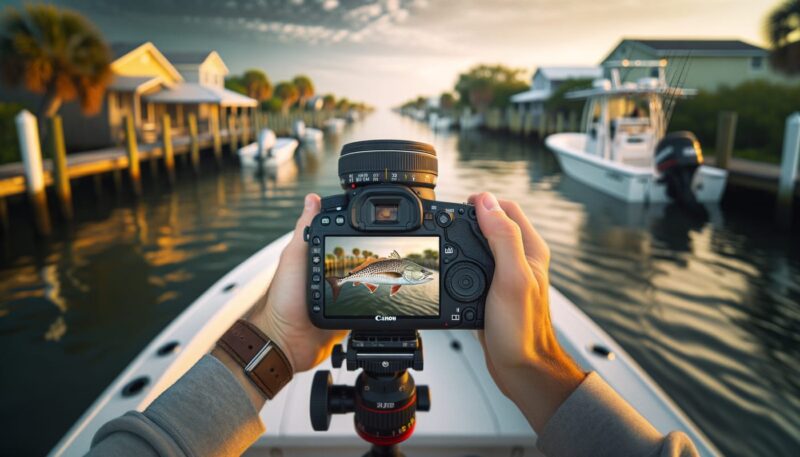
Beyond Redfish: Targeting Trophy Speckled Trout in Venice, Louisiana’s Inshore Waters
Venice, Louisiana, holds a legendary reputation for its incredible redfish action. Anglers flock to these waters, chasing the bronze drum that pull hard and put up a real fight. While redfish are a staple, Venice offers another world-class opportunity that often gets overlooked by those solely focused on reds.
We’re talking about giant speckled trout. These elusive gators of the marsh provide a thrilling challenge and a rewarding catch. This article dives deep into the specific strategies and prime locations for targeting these trophy speckled trout in Venice’s inshore environment.
If you’re looking to expand your horizons choosing between inshore or offshore fishing, and want to experience the true diversity of the Louisiana bayou, pursuing these big trout is your next adventure. Venice’s unique estuarine system is perfectly set up to grow and hold these remarkable fish.
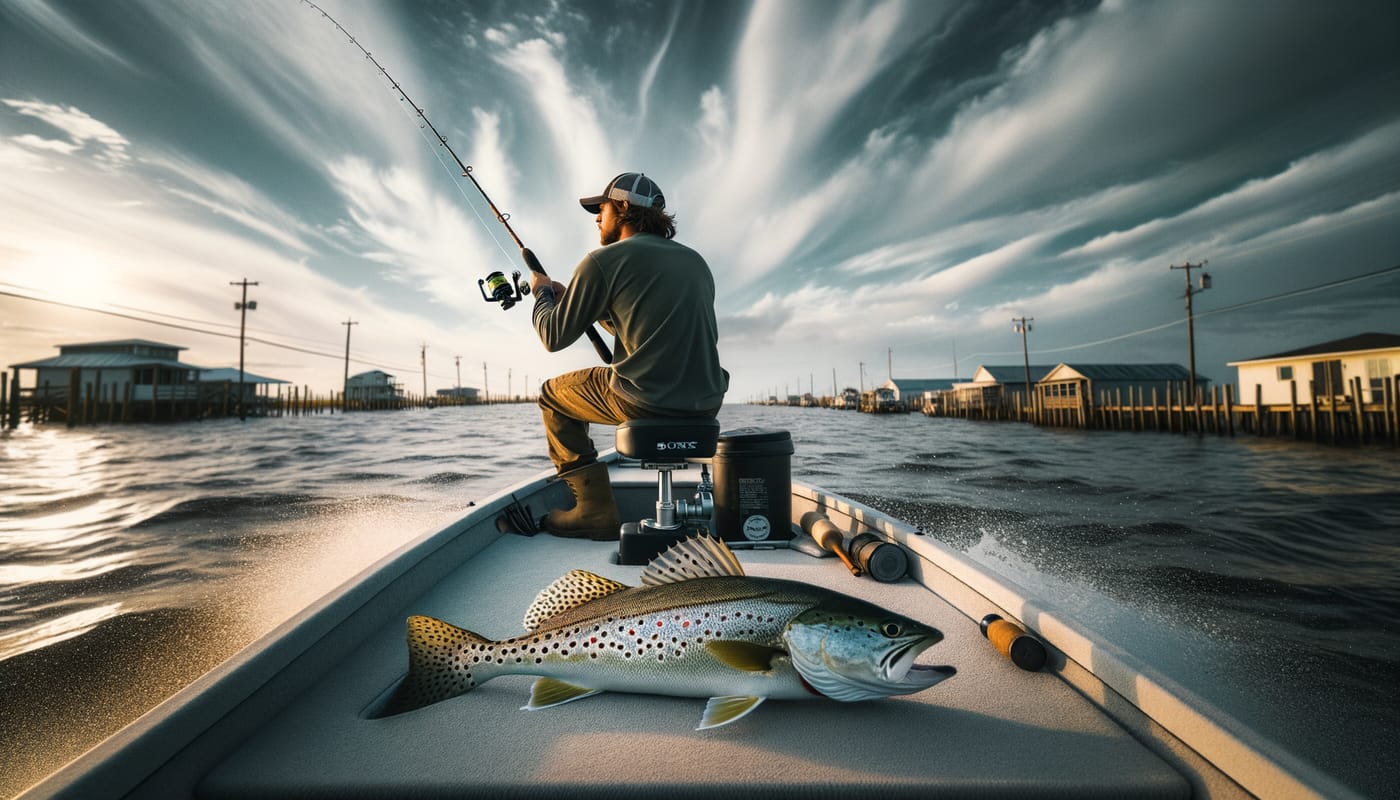
Venice’s Unique Estuary: A Trophy Trout Haven
The Mississippi River Delta creates a fishing paradise unlike anywhere else. Its constant flow of nutrient-rich water feeds an extensive network of marsh and estuarine systems. This provides an ideal nursery for a vast array of baitfish.
These abundant baitfish populations, in turn, support a healthy population of predator fish, including the Louisiana fishing speckled trout we’re after. Understanding the terrain is key to finding these larger fish.
Key Inshore Structures for Trout
Trophy trout aren’t just anywhere; they relate to specific structures that offer food and ambush points. Oyster reefs and shell beds are prime feeding grounds, often holding concentrations of bait. These areas are excellent starting points for your hunt.
Rock jetties and rip-rap create current breaks where trout can sit and wait for bait to pass. Submerged pipelines and artificial reefs provide deeper water access and complex habitat, attracting larger fish. Finally, deep passes and bayou mouths are crucial during tidal changes, acting as highways for bait migration.
Seasonal Patterns for Trout Movement
Trout move with the seasons, and knowing their patterns increases your chances. In winter, large speckled trout seek out deeper holes, channels, and protected bayous where water temperatures are more stable. During spring and fall, they spread out to marsh edges, shallow bays, and points, chasing bait in warmer, active waters.
Summer sees them moving back to deeper bays and passes. They look for areas with cooler, more oxygenated water. Adjusting your location with the season is a critical piece of the puzzle for consistently finding trophy trout in Venice Louisiana.
Equipping for Giant Speckled Trout
Targeting these larger fish requires specific gear to handle their size and power. The right setup provides the sensitivity needed to detect subtle bites and the backbone to land a strong fish.
Rod and Reel Selection
For rods, choose medium-light to medium action models, typically 7 to 7.5 feet long. A fast tip is important for casting accuracy and detecting light strikes, while the rod’s power allows you to control a big fish. Pair these with 2500-3000 series spinning or baitcasting reels.
These reels offer a good balance of line capacity and smooth drag. A quality reel is essential when a giant speckled trout makes its powerful run.
Line and Leader Choices
For your main line, 10-15 lb braided line is a solid choice. It provides superior sensitivity to feel the lightest bites, offers excellent casting distance, and has minimal stretch. Connect your main line to a 20-30 lb fluorocarbon leader.
Fluorocarbon is less visible underwater and offers excellent abrasion resistance, which is vital when fishing around structure. This combination provides strength and stealth, two crucial elements for trophy trout fishing.
Lure Strategies for Large Trout
Big trout often want a bigger meal. Soft plastics are incredibly effective; think paddletail swimbaits, jerk shads, and curly tail grubs rigged on appropriately sized jig heads. These mimic common baitfish in the bayou.
Topwater plugs, like walk-the-dog style baits and poppers, are explosive in low-light conditions. Their commotion on the surface often triggers aggressive strikes. Suspending twitch baits offer a subsurface presentation, perfect for mimicking wounded baitfish when trout are holding deeper.
For finicky trout, live bait options can be a game-changer. Live shrimp, finger mullet, and pogies are natural choices that rarely get refused by a hungry speckled trout.
Mastering the Hunt: Advanced Trout Techniques
Catching trophy speckled trout goes beyond just casting a lure. It involves understanding their environment and how they behave. These advanced techniques help seasoned anglers land more big fish.
Reading the Water: Signs of Life
Always pay attention to what the water tells you. Baitfish activity, such as schooling bait or nervous water on the surface, signals a potential feeding zone. The presence of diving terns or gulls often indicates baitfish being pushed to the surface, a clear sign of predators below.
Look for current breaks and eddies, which are prime ambush points where trout wait for an easy meal. Water color variations can also be important, with clearer, cleaner water often being more productive for sight feeders like trout.
Presentation and Retrieval
How you present your lure matters greatly for large trout. With soft plastics, use slow, methodical retrieves, incorporating frequent pauses. This mimics a struggling baitfish, making it an easy target.
For topwater plugs, vary your retrieve – a walk-the-dog action, followed by a pause, then a pop. Experiment with different speeds until you find what triggers a strike. Subsurface baits benefit from twitching and pausing, further selling the illusion of a wounded fish.
Understanding Tidal Influence
Tides are a driving force in inshore fishing. Strong currents during moving tides position fish at ambush points, typically along structure or current seams. During slack tide periods, trout might move to deeper holes or areas with slower currents, waiting for the water to start moving again.
Knowing the tide schedule and how it impacts fish behavior in your specific spot is vital. It dictates where trout hold and when they are most likely to feed actively.
Night Fishing for Large Trout
Night fishing offers a unique opportunity for giant speckled trout. Artificial lights, such as those found on docks, bridges, or even your boat, attract baitfish. This concentration of bait then draws in the trout.
Focus your efforts on lighted docks, bridges, and deeper channels adjacent to lighted areas. Specific lure choices for low-light conditions, often darker colors or those with glow features, can be particularly effective after dark.
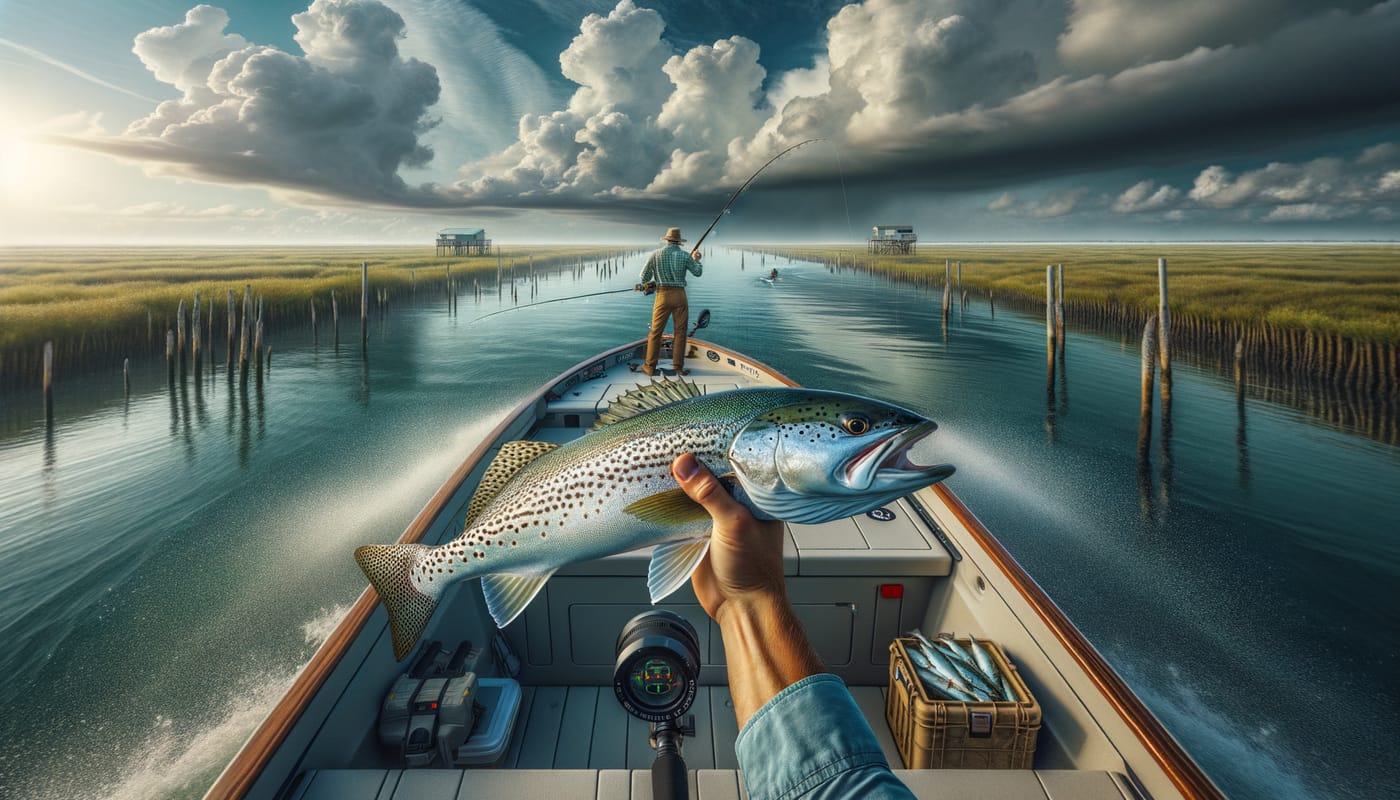
Navigating Venice: Top Trout Hotspots
Venice, Louisiana, is a sprawling fishing ground, but certain areas consistently produce trophy speckled trout. Knowing these hotspots can significantly cut down your search time and put you on the fish.
The Passes and Outfalls
The major river mouths, such as Southwest Pass and Southeast Pass, are crucial areas. The immense volume of water and nutrients they discharge makes them magnets for bait and predators. Focus on current eddies and deeper channels within these passes.
These areas offer prime ambush locations for large trout waiting for food to be swept by. Pay attention to structure and depth changes near these powerful currents.
Larger Bays and Lakes
Bays like Bay Coquille, Blind Bay, and Garden Island Bay are known for holding big trout. Look for areas within these larger bodies of water that feature extensive shell bottoms or submerged structure. These features provide cover and food sources.
These bays often have deeper sections that can hold fish even during warmer months. They offer a diverse range of habitats for trout to forage.
Protected Ponds and Trenches
Even within the vast marsh system, deeper pockets and trenches can be honey holes. These protected ponds offer calmer waters and stable environments, especially in adverse weather. Dredged canals and bayou intersections also create deeper water and current funnels.
These smaller, more isolated spots can sometimes hold some of the largest trout. They offer a unique challenge for anglers looking for a secluded trophy fish experience.
Preserving Venice’s Trout Fishery
The incredible fishing in Venice is a resource we must protect. Sustainable practices ensure that future generations can also enjoy the thrill of targeting giant speckled trout. Responsible angling is everyone’s duty.
Adhering to Regulations
Understanding and following Louisiana’s size and bag limits for speckled trout is not just the law; it’s essential for conservation. These regulations are in place to maintain healthy fish populations. Make sure your fishing license is always current before heading out on the water.
Catch and Release Practices
For trophy fish, practicing proper catch and release techniques is vital. Minimize the fish’s time out of water and handle it gently. Use barbless hooks when targeting trophy trout to make unhooking easier and reduce harm.
Releasing those larger breeding fish helps ensure a healthy stock for years to come. It allows them to continue their role in the fishery’s ecosystem.
Respecting the Environment
Always practice responsible waste disposal. Pack out everything you pack in, leaving no trace. Minimize disturbance to wildlife and their habitat, especially in sensitive marsh areas. Operate your boat safely and responsibly, respecting speed limits and other boaters.
Conclusion
Venice, Louisiana, truly offers more than just incredible redfish action. It stands as a world-class destination for anglers seeking trophy speckled trout. Applying the right strategies, understanding the unique estuarine environment, and using appropriate gear unlocks a whole new level of discovering anglers paradise onshore and offshore.
The challenge of targeting these giant speckled trout in the Louisiana bayou is immense, but the reward is unforgettable. Head out, explore these diverse waters, and experience the unparalleled excitement of hooking a true gator trout.
Frequently Asked Questions
Why is Venice, Louisiana, a prime location for giant speckled trout?
Venice, Louisiana is known for giant speckled trout due to its nutrient-rich Mississippi River Delta estuary. This environment supports abundant baitfish, which in turn feed large predatory trout. Key structures like oyster reefs, jetties, and deep passes also create ideal habitats for these fish.
What are the best lures to use when targeting trophy speckled trout in Venice?
Effective lures for giant speckled trout include soft plastics like paddletail swimbaits and jerk shads on jig heads, topwater plugs (walk-the-dog style, poppers) for low light, and suspending twitch baits for subsurface presentation. Live bait such as shrimp, finger mullet, or pogies can also be highly effective for finicky fish.
How do tides impact speckled trout fishing in Venice’s inshore waters?
Tidal influence significantly affects trout fishing. Strong moving tides often position trout at ambush points around structures and current breaks, making them active feeders. During slack tides, trout may move to deeper holes or areas with slower currents, requiring adjustments in your fishing approach.
Where are the best inshore locations in Venice, Louisiana, to find giant speckled trout?
Top hotspots for large speckled trout in Venice include the major passes (Southwest, Southeast) and their eddies, larger bays like Bay Coquille and Garden Island Bay, and protected ponds or dredged canals within the marsh system. Look for areas with shell bottoms, submerged structure, and active baitfish.
What conservation practices should anglers follow when targeting trophy trout in Venice?
To preserve the fishery, always adhere to Louisiana’s size and bag limits for speckled trout and ensure you have proper licensing. Practice catch and release, especially for trophy fish, using proper handling techniques and barbless hooks. Lastly, respect the environment by disposing of waste responsibly and minimizing disturbance to wildlife and habitat.
